THE CRYPT OF HELSINKI CATHEDRAL
2 June–21 June 2026
HANAHOLMEN – THE SWEDISH-FINNISH CULTURAL CENTRE
22 June–31 August 2026
GALLERIA PERSPEKTIIVI, EKENÄS – TAMMISAARI
1–30 September 2026. Vernissage tisdag 1 september kl 17 – 19
Galleri Perspektivet (Raseborgsvägen 8/ Ekenäs bibliotek) är öppet må-on 10–19, to-fre 10–17, lö & sö stängt
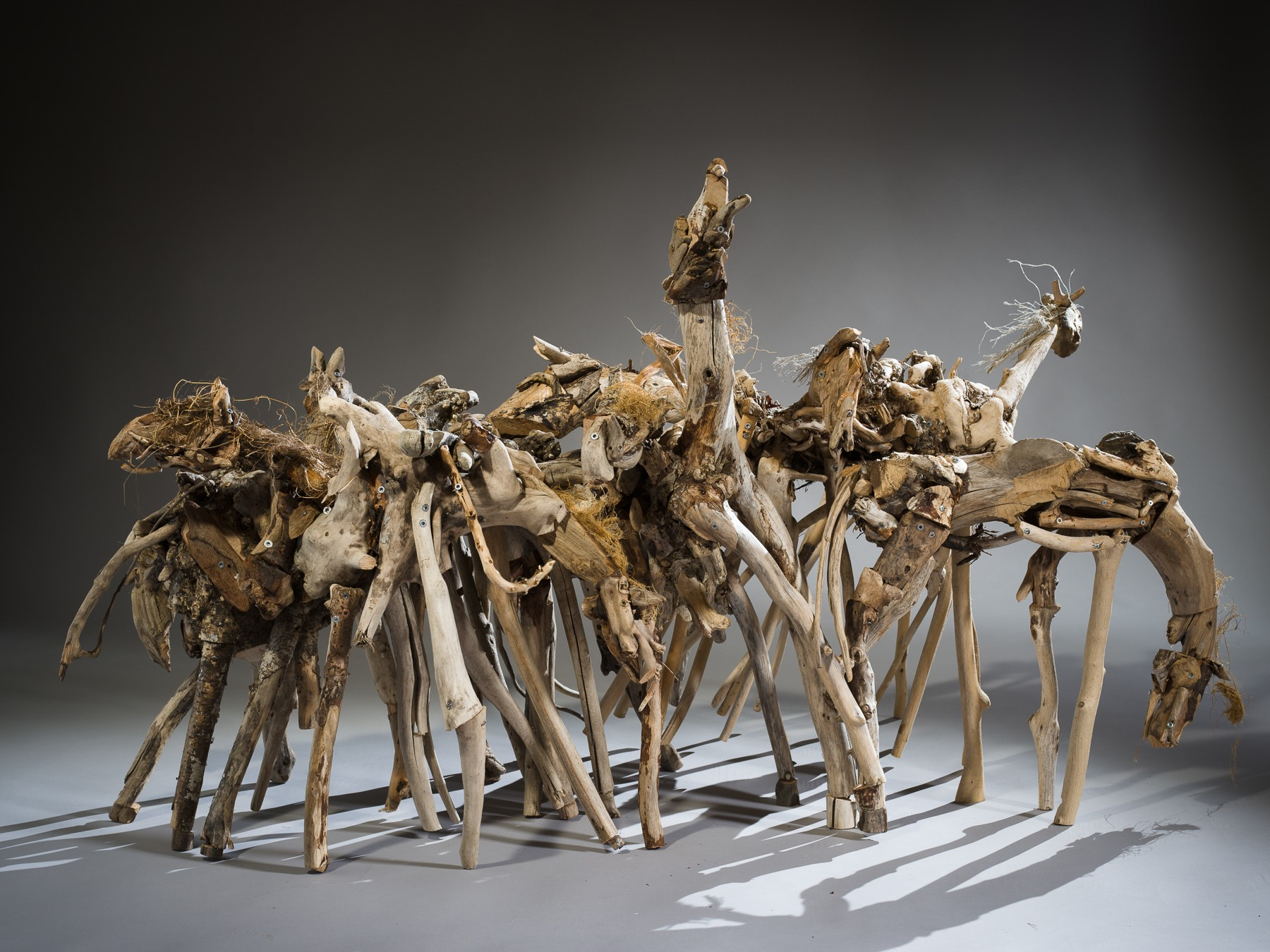
In the book “Kaputt”, the Italian war correspondent and surrealist writer Curzio Malaparte describes the Continuation War between Finland and the Soviet Union.
During the severe winter, in December 1941 he heads for the front, where he describes a strange sight. On the shore of Lake Ladoga in Karelia, Finnish troops had encircled a Soviet artillery regiment with its horses. The Finns set the forest on fire. Terrified, the Soviet artillery horses—nearly 1,000 of them—threw themselves into the sea of flames and broke through the siege of fire and machine guns, down into Lake Ladoga. Between the drop-off and the wall of fire, the horses clung to one another, trembling with cold and fear, and stretched their heads above the water. Those closest to the shore were attacked by the fire at their backs; they reared up, trampled one another, and tried to force a way through with teeth and hooves.
In the midst of all the tumult they are paralyzed by the cold. During the night the north wind arrives, sweeping down from the sea at Murmansk like howling spirits, and the ground suddenly lies dead. Close to a thousand horses, frozen fast, become an ice monument to the horrors of war.
During the long winter, Colonel Merikallio’s soldiers would often go down to the lake and sit on the horses’ heads. They look like the wooden horses on a carousel.
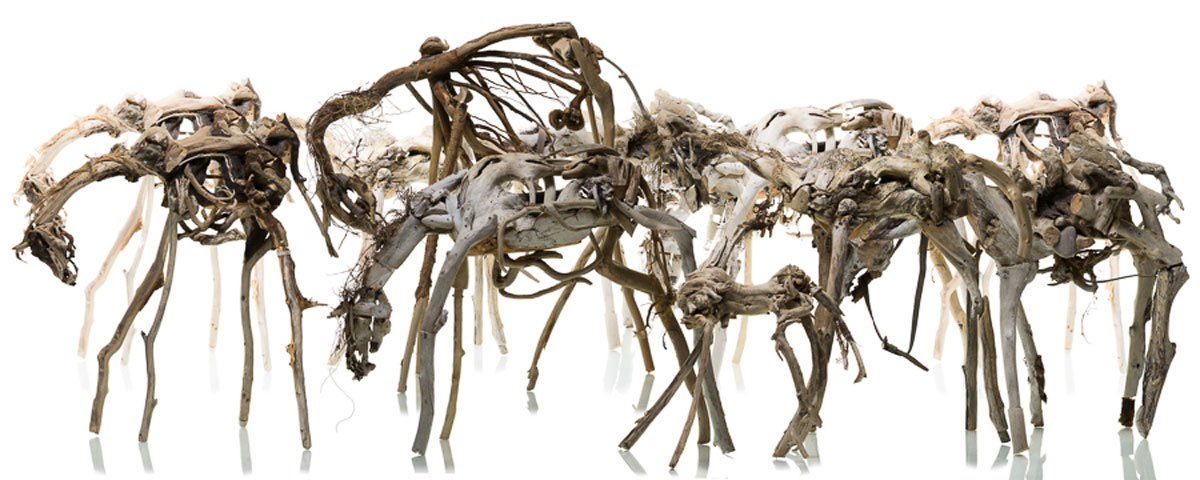
André Prah has interpreted Malaparte’s account and recreated the ice horses—in pieces of wood, roots, trunks, and branches. He found the material along eroded shores on the Baltic Sea coast. Salt, wind, and waves have worked the wood, which has yielded to erosion: trees that capture an atmosphere and movements of sorrow and terror, but that also reflect light.
In Times of War
There is a continuation of politics called war.
It is not about coincidences and small pinpricks, but of organized violence with cruelty, vulnerability and difficulties that transcend human limits. And an end that seems far away. There are sayings that are timeless. One says, ”It’s easy to start a war, but it’s hard to stop.” Even after the war, the memories and stories still live on, as does the despair of the capricious cruelty of the war. In the darkness, we seek light, hope and trust. People perform acts of love with gentleness, courage and unwavering strength, they resist evil. They are heroes.
AndréPrah
André Prah was an illustrator and artist. He worked with the pen, with his colours and as a sculptor in steel mesh, textiles and wood. He let memories and stories live on in his works.
He fled from the former Yugoslavia and came to Sweden in 1946. From his father, who had participated in the Second World War, he heard many stories about the war. To his personal memories of the war, he added what he had read, seen and heard, and let it merge and flow forth from his works.
André’s words: ”Now when the war are sweeping over Europe again, I feel it is my duty to tell the story of the brutal death of the ice horses. To let it not be repeated”.
And what is the truth about the ice horses? Malaparte himself responded in an interview in the 1940s: ”I am a free writer. I am not dependent on a simple truth”.
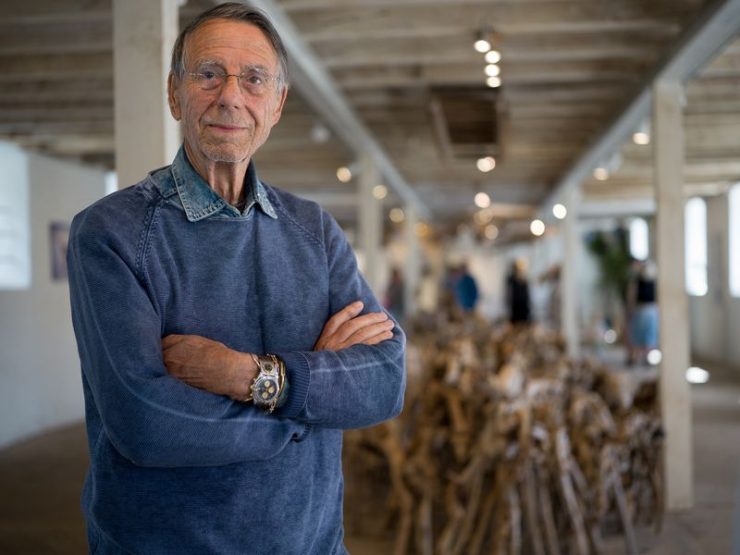
Biography
Born in Maribor, Slovenia in 1941 and died in March 2026 in Skåne, Sweden.
Educated at Konstfack in Stockholm. Teaching art between 1966 – 1972. He then worked as a political cartoonist and journalist for the newspaper Expressen for many years. He has also worked for Dagens Nyheter, Svenska Dagbladet, Månadsjournalen, The New York Times and The Village Voice, among others. Worked his last 20 years as an artist in his studio in southern Sweden. ”As a free artist, not dependent on a simple truth either…”